Grab and Jab: EpiPens Belong in Emergency Bags
Lawrence is booked into the jail with a dairy allergy, and his EpiPen is stored securely for emergencies. A few weeks later, Lawrence starts wheezing and coughing at breakfast. Staff isn’t sure what to do. Lawrence gets worse and is rushed to the hospital, but it is too late. An investigation finds that the jail’s food vendor changed their ingredients without warning, and Lawrence was unknowingly served dairy. An EpiPen could have saved Lawrence’s life.
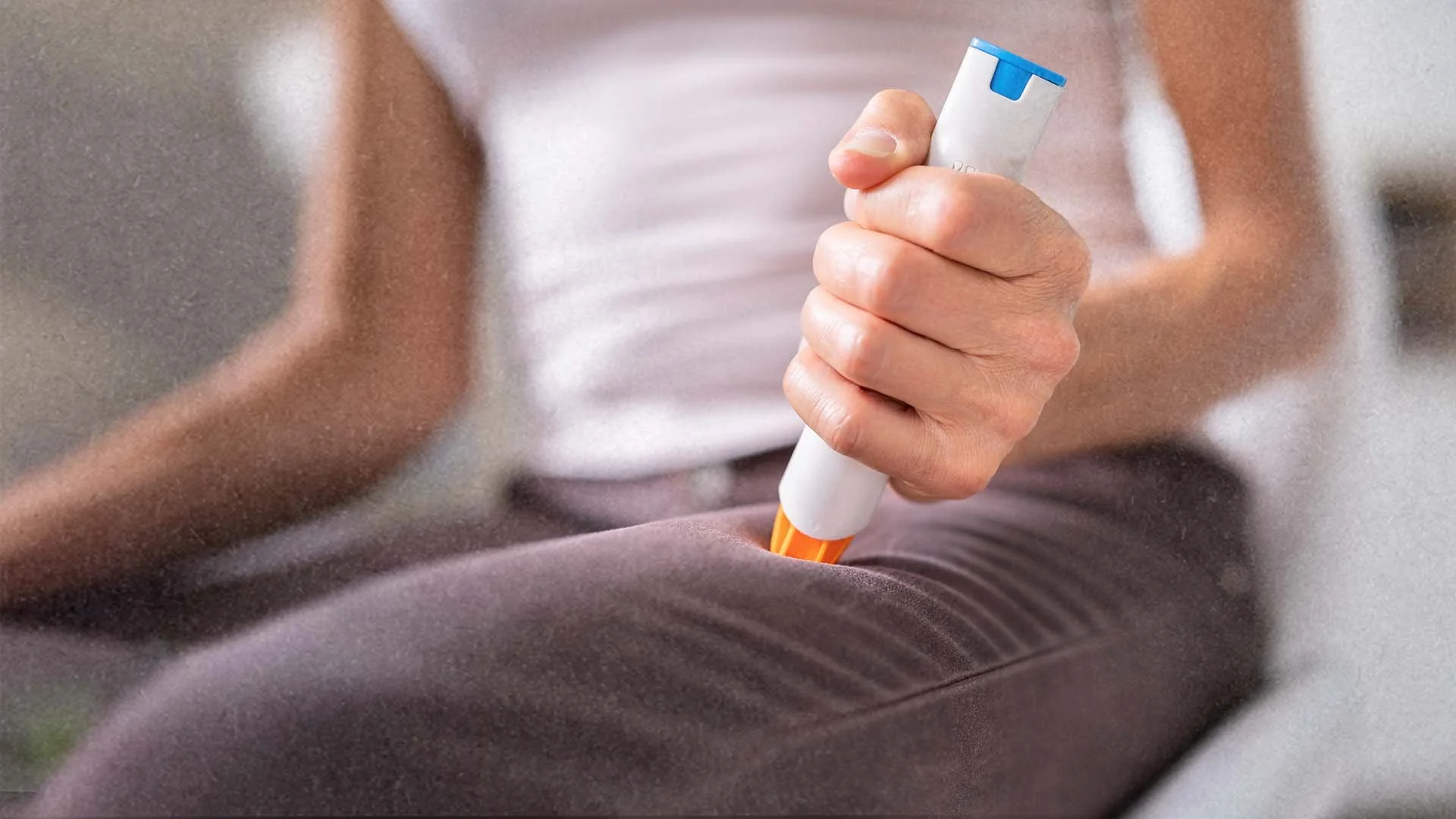
Anaphylaxis is a serious allergic reaction that can occur without warning. Epinephrine (commonly in the form of an EpiPen) needs to be given immediately to reverse airway swelling and correct blood flow. In jails, epinephrine belongs where emergencies start, not in a medical unit far from the scene.
Get a stock med order
Ask your jail practitioner to order epinephrine as stock medication to make sure it is on hand when needed. A prescription is not needed for a stock med order. It is recommended that the practitioner specifically orders auto-injectors for ease of use. Be sure to document the location of the medication. Get a stock med order for epinephrine.
Stock EpiPens in emergency bags
Epinephrine should be included in each emergency bag so staff can access it quickly during suspected anaphylaxis. Emergency bags are generally the closest medical resource during a critical event, making them the appropriate location for stocked epinephrine. Add EpiPens to emergency bags and verify its presence during routine emergency bag inspections. Stock EpiPens in emergency bags.
Train staff
Timely response depends on quick recognition of suspected anaphylaxis and appropriate response. Train staff how to:
Recognize the signs of anaphylaxis
Access epinephrine in an emergency
Administer epinephrine
Follow post-administration procedures
Post-administration procedures should include activating EMS, documenting the incident, and notifying the practitioner. Make sure training reflects facility policies, scope-of-practice regulations, and emergency medical processes. Train staff to respond quickly to anaphylaxis.
Check expiration dates quarterly
Add regular expiration date checks to emergency bag inspections. It is generally recommended that emergency bags are inspected at least quarterly to ensure nothing is expired and essential items are present. If an expired medication is found during a quarterly check, remove it and contact the practitioner for a replacement stock med order. Maintain emergency bag equipment and check expiration dates quarterly.

For more information, please contact training@sparktraining.us.
Disclaimer
All materials have been prepared for general information purposes only. The information presented should be treated as guidelines, not rules. The information presented is not intended to establish a standard of medical care and is not a substitute for common sense. The information presented is not legal advice, is not to be acted on as such, may not be current, and is subject to change without notice. Each situation should be addressed on a case-by-case basis. When in doubt, send them out!®