The First 10 days
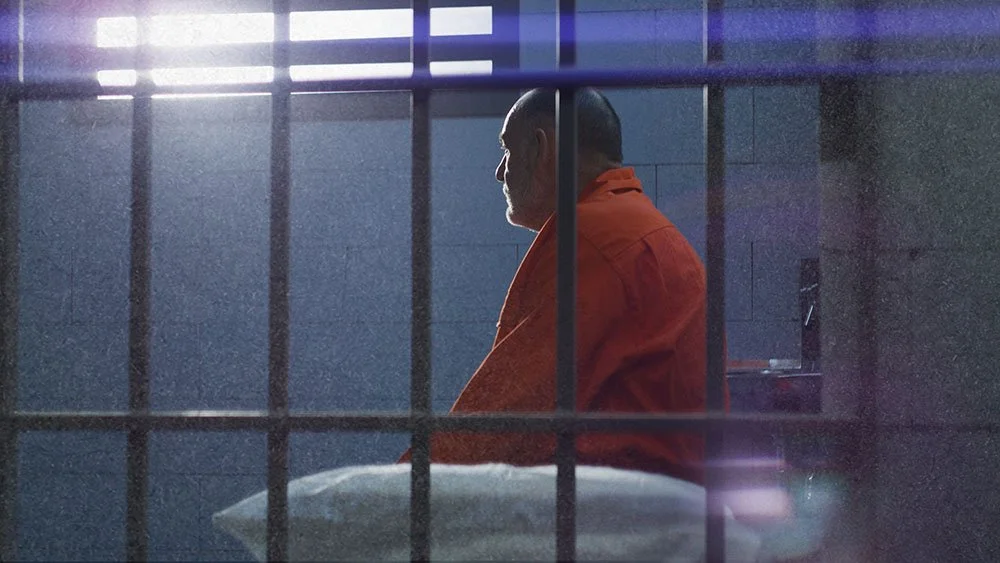
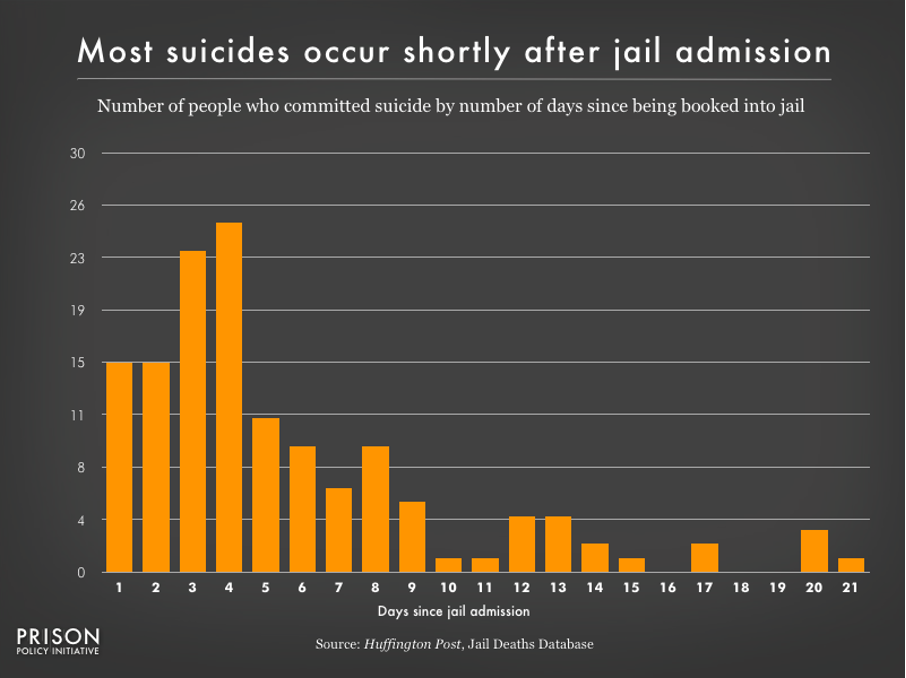
Although suicide can occur at any point during confinement, most jail suicides occur in the first ten days of incarceration.
Don’t leave them alone
Extended isolation can make a person feel even worse when in confinement. If a detainee is not a threat to others, it is recommended to house them with other detainees. This allows for peer support and enables quicker intervention in the event of a suicide attempt. There are more “eyes and ears” to alert staff to an emergency when a detainee is placed with others.
Designate intake housing
A designated housing unit should be used to ensure that newly booked individuals will be housed with others for the first ten days. Beyond suicide risk, this may also inform final housing decisions by allowing time to monitor behavior. These units should be open areas with no blind spots or spaces where detainees can harm themselves. Lines of sight and enhanced visibility is key.
Keep officer eyes on detainees
Cameras are not a replacement for direct observation. Detainees should be housed in an area within the jail where frequent checks can be carried out by staff. At least one officer should be assigned solely to monitor the intake housing unit. At least one additional officer should monitor specific individuals on suicide watch. Minutes can mean the difference between life and death. Housing with other detainees can help but does not remove the need for continued staff supervision.
Remove blind spots and tie-off points
The jail’s architecture can work for or against suicide prevention efforts. Clear lines of sight are essential to recognizing a crisis and responding. Hanging or asphyxiation is the most common method of suicide in a jail. Many hangings happen from a tie-off point below four feet high using common items, such as clothing and bedding. While some privacy may be allowed in showering and toileting areas, there should be no blind spots, or areas where officers have zero visibility of detainees.
For more information, please contact training@sparktraining.us.
1. Rabuy, B. (2016). The life-threatening reality of short jail stays. Prison Policy Initiative. https://www.prisonpolicy.org/blog/2016/12/22/bjs_jail_suicide_2016/
Disclaimer
All materials have been prepared for general information purposes only. The information presented should be treated as guidelines, not rules. The information presented is not intended to establish a standard of medical care and is not a substitute for common sense. The information presented is not legal advice, is not to be acted on as such, may not be current, and is subject to change without notice. Each situation should be addressed on a case-by-case basis. When in doubt, send them out!®