Chronically Ill and In Jail
Over one third of incarcerated individuals have a diagnosed chronic health condition. In local jails, this number is even higher.¹ When an individual reports having any chronic illness at booking, you should:
Take vitals at intake
Verify prescriptions and/or home medications
Enroll them in a regular chronic clinic schedule
#1. High blood pressure (hypertension)
High blood pressure is called hypertension and is one of the most common chronic illnesses in jails.² If a detainee reports a history of high blood pressure at intake, get a blood pressure measurement baseline. This can be taken by nursing or by an officer trained to take vital signs.
It is recommended to continue to take blood pressure readings throughout the week to make sure the baseline measurement is accurate. Try to get the detainee’s blood pressure at least 3 times within the first week and report this information to nursing. As a general rule, a blood pressure greater than 150/90 should warrant a call to the practitioner right away.
#2. Asthma
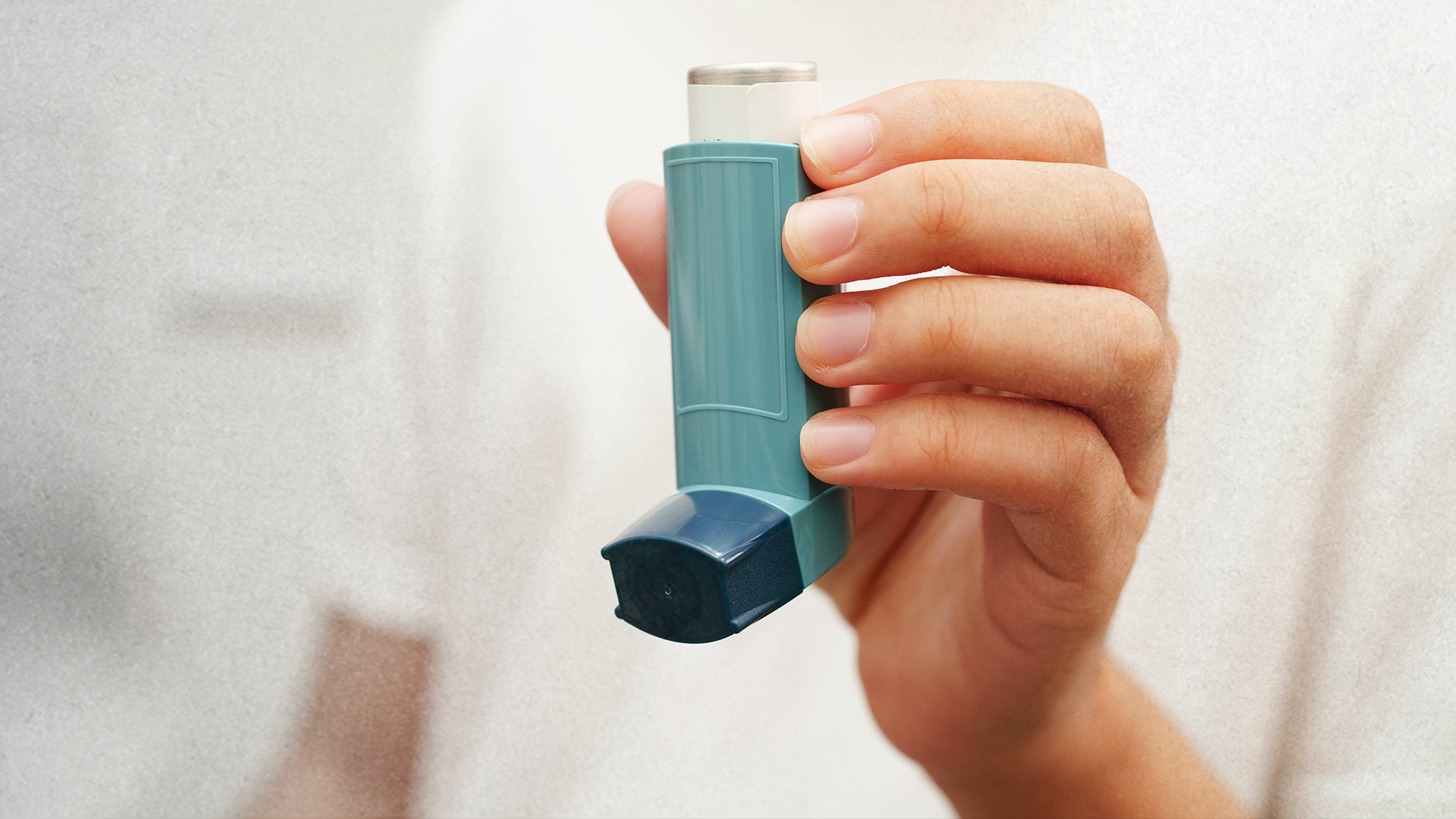
Detainees with asthma have trouble breathing and may experience asthma attacks, which can be life-threatening. Generally, asthma is managed with an inhaler. When a detainee reports a history of breathing issues at intake, ask if they have an inhaler and how often they use it. Then, provide this information to nursing so they can get the detainee enrolled in chronic clinic. Knowing how often a person uses their inhaler can help the practitioner determine if their breathing is under control.
#3. Diabetes
Diabetes causes high blood sugar. Very low or very high blood sugar in detainees with diabetes can lead to serious health consequences. Individuals may take medication, such as insulin, to manage their blood sugar. When a detainee reports a history of blood sugar issues like diabetes at intake, check their blood sugar level to baseline their current status.
If a detainee has a blood sugar over 250 or under 80, call the practitioner right away. Low blood sugar can cause delirium. In a medical emergency, do not wait: When in doubt, send them out!®
For more information, please contact training@sparktraining.us.
Muqtadir, A., Kumar, J., Diah, W., & Husain, S. (2024). Healthcare disparities and the impact on mortality in incarcerated patients. Cureus, 16(10), e71660. https://doi.org/10.7759/cureus.71660
2. Dumont, D. M., Brockmann, B., Dickman, S., Alexander, N., & Rich, J. D. (2012). Public health and the epidemic of incarceration. Annual Review of Public Health, 33, 325–339. https://doi.org/10.1146/annurev-publhealth-031811-124614
3. John Hopkins Bloomberg School of Public Health. (2023). Analysis of health and prescription data suggestions chronic health conditions in U.S. incarcerated people may be severely undertreated.https://publichealth.jhu.edu/2023/analysis-of-health-and-prescription-data-suggests-chronic-health-conditions-in-us-incarcerated-people-may-be-severely-undertreated
Disclaimer
All materials have been prepared for general information purposes only. The information presented should be treated as guidelines, not rules. The information presented is not intended to establish a standard of medical care and is not a substitute for common sense. The information presented is not legal advice, is not to be acted on as such, may not be current, and is subject to change without notice. Each situation should be addressed on a case-by-case basis. When in doubt, send them out!®