Safety Contracts: Not Worth The Paper

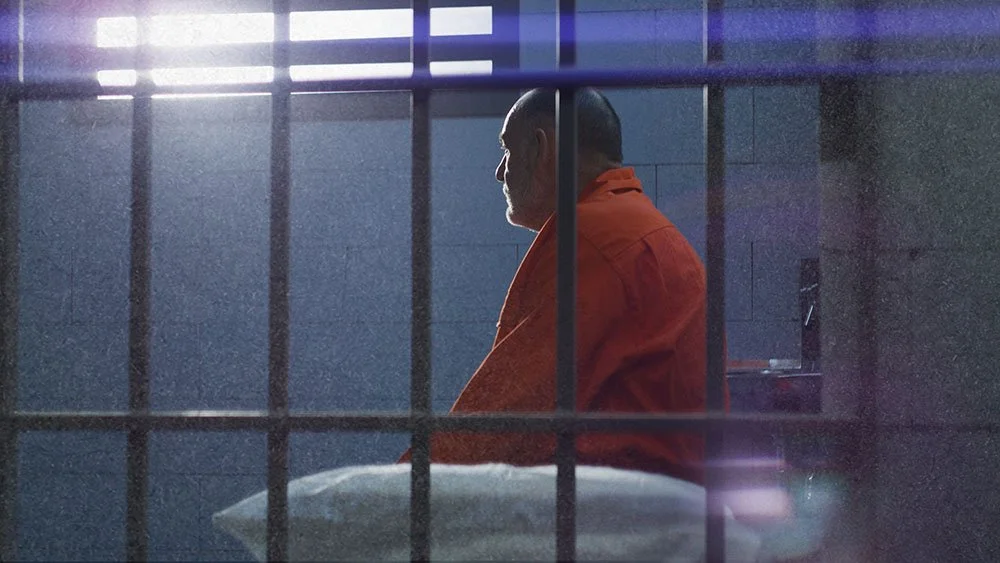
Grace was booked into jail and placed on suicide precautions immediately after intake screening. As Grace’s release date approaches, she seems to be doing better. She is more social and her mood improves. Custody staff asks Grace to sign a safety contract agreeing that she will not hurt herself when she is released. When her release date arrives, Grace walks directly from the jail and onto a set of train tracks where she plans to take her life.
Stop using safety contracts
There is no evidence that safety contracts reduce a person’s risk of suicide.¹ They do not reduce liability exposure, either. In fact, safety contracts can work against a jail in the unfortunate event that a person decides to take their life. The outside perception of safety contracts can sometimes be that staff were aware of the potential for self-injury and told the detainee to sign a contract to cover them in a lawsuit, not to provide support. A contract alone does not provide the support a person experiencing suicidal ideation needs. Stop using safety contracts.
Handoff at discharge
If a detainee on suicide precautions is being released from your facility, partner with your local behavioral health resources and/or community hospital. Arrange a physical handoff directly to local treatment centers, even if the individual does not seem interested. Tell the community partner that the person is suicidal and document the handoff. If a proper handoff is not an option, you can walk the person directly into the ER and state “this person is suicidal,” before you leave. You want to ensure you have done everything you can to save the person’s life. Trust your gut and hand off at discharge if you think a detainee may be experiencing suicidal ideation at release.
Refer to behavioral health
For individuals who are not being released from the jail, safety contracts do not get rid of the need to assess and monitor for suicide risk. There is no replacement for a thorough and well-documented evaluation by a qualified mental health professional (QMHP).
Only a QMHP or practitioner can legally reduce or discontinue suicide precautions. Focus on the individual’s behavior and trust your gut. Nurses and officers are not legally qualified to take someone off of suicide precautions. Get the behavioral health team involved as soon as possible. Refer to behavioral health as soon as you think a detainee may potentially hurt themselves.
For more information, please contact training@sparktraining.us.
Rozek, D. C., Tyler, H., Fina, B. A., Baker, S. N., Moring, J. C., Smith, N. B., Baker, J. C., Bryan, A. O., Bryan, C. J., & Dondanville, K. A. (2023). suicide intervention practices: What is being used by mental health clinicians and mental health allies?. Archives of Suicide Research, 27(3), 1034–1046. https://doi.org/10.1080/13811118.2022.2106923
Disclaimer
All materials have been prepared for general information purposes only. The information presented should be treated as guidelines, not rules. The information presented is not intended to establish a standard of medical care and is not a substitute for common sense. The information presented is not legal advice, is not to be acted on as such, may not be current, and is subject to change without notice. Each situation should be addressed on a case-by-case basis. When in doubt, send them out!®