Ibogaine for the incarcerated
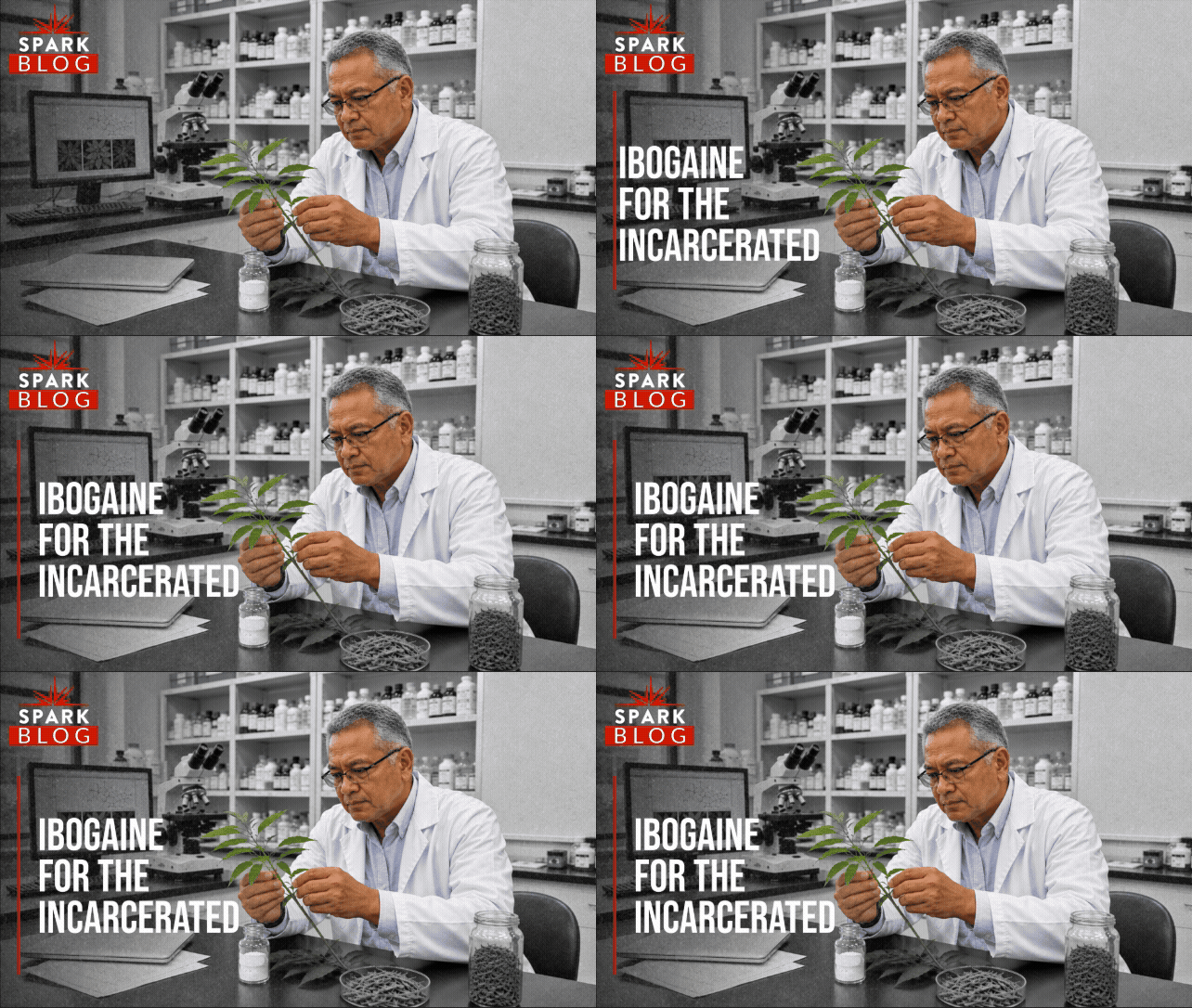
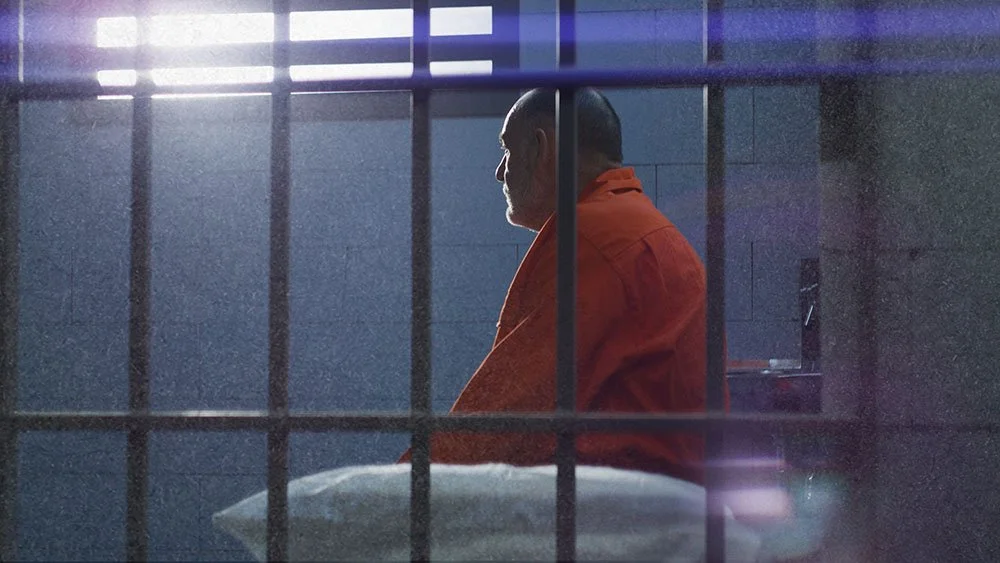
Ibogaine is now being studied to address major mental health issues that impact most of the individuals incarcerated in the United States.¹ Ibogaine has shown promise in controlled clinical trials to produce outcomes that traditional methods have failed to accomplish. For incarcerated individuals, ibogaine may be a potential solution for opioid use disorder (OUD), post-traumatic stress disorder (PTSD), depression, and traumatic brain injury (TBI). On a systems level, this may have a direct impact on lowering recidivism and suicide in correctional facilities.²
Ibogaine is a plant
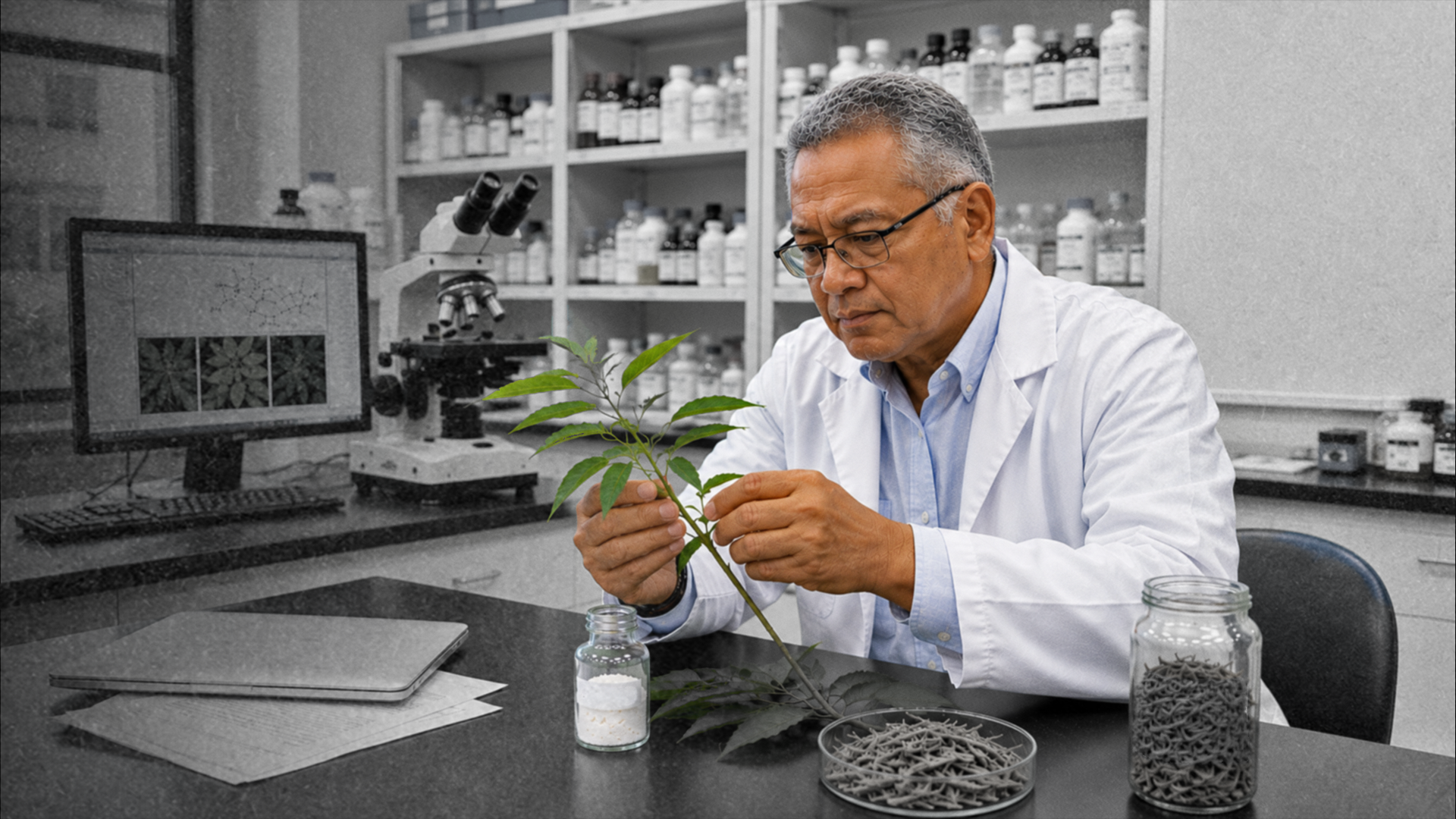
Ibogaine is a psychoactive compound derived from the iboga plant. Many individuals, including a high percentage of veterans, cycle through jail because of untreated behavioral health conditions. Ibogaine research has drawn attention because some studies report rapid reductions in withdrawal symptoms, substance use, and trauma-related symptoms after even just one initial treatment.³ Since it is a plant, it cannot be patented and sold by pharmaceutical companies. Drug manufacturers are still exploring ways to create synthetic ibogaine products that can be prescribed and sold. Ibogaine is a plant.
Ibogaine is a Schedule I controlled substance
Ibogaine is not available for routine medical use in the United States due to its classification as a Schedule I controlled substance. However, recent research suggests that ibogaine is not an addictive chemical and many experts are calling for it to be de-scheduled. The U.S. Secretary of Health and Human Services has taken an interest in ibogaine at the federal level, stating: “I will deschedule ibogaine and all psychedelic medicines.”
Ibogine is currently listed on the DEA’s Exempt Chemical Preparations List, meaning it may be used in medical studies. Recent efforts have been made to dedicate state research budgets to funding clinical ibogaine trials. Since the President of the United States signed an executive order expanding access to psychoactive drugs, nearly 20 states have introduced ibogaine legislation, including a $5 million grant for Arizona researchers. These movements could open new avenues for addressing issues such as recidivism and the logistical challenges of using medications for opioid use disorder (MOUDs) in corrections. For now, ibogaine is a Schedule I controlled substance.
Ibogaine rewires the brain
Ibogaine is being seen as a breakthrough treatment because it is the first substance that has demonstrated the ability to support neuroplasticity and trauma processing. This could be a game-changer for treating TBI and PTSD. Repairing brain damage through ibogaine may prevent relapses and enable individuals with substance use disorder (SUD) to better engage in recovery and counseling after release. For corrections leaders, the larger issue is not the psychedelic itself. It is whether treatment models can improve long-term stability after incarceration. Ibogaine rewires the brain.
Ibogaine is not a standalone cure
Ibogaine is not a one-time miracle pill. Counseling, peer support, case management, and structured follow-up remain central to long-term recovery. As many detainees struggle with reoffending due to mental health issues, incarceration may interrupt treatment. Continuity of care often presents challenges during reentry and significant efforts will need to be made to help connect individuals to treatment and follow up care during and after incarceration.
Additionally, ibogaine is not a blanket solution for everyone. Published reports have linked ibogaine to serious cardiac complications. Researchers continue exploring cardiac treatment protocols to reduce potential adverse effects.⁴ A recent study found that giving ibogaine with magnesium produced zero serious side effects and significantly lowered PTSD symptoms in Special Operations Forces (SOF) veterans.³ Ibogaine is not a standalone cure: Candidates for ibogaine treatment should receive:
Careful screening
Medical oversight
Cardiac treatment protocols
For more information:
Spark Training partners with corrections experts to provide education and training on emerging correctional health care issues that are directly relevant to front-line staff. Call an expert to request training, presentation services, or information on ibogaine.

Dr. William Dennis, MD, MPH, CCHP-CP
Dr. Dennis is Chief Medical Officer at USA Medical and Psychological Staffing, Inc. A U.S. Navy Veteran and physician with more than 25 years of clinical experience, Dr. Dennis brings both lived experience and clinical guidance to ibogaine research and policy development.
CONTACT

Dr. Melissa Caldwell, PhD, CCHP-MH/A
Dr. Caldwell is Chief Behavioral Health Officer at Freedom Behavioral Health, Inc and a clinical-forensic psychologist with over 20 years of correctional experience. Starting her career as an officer, then as clinician, and now industry leader, she provides unique insight into the operational impacts of ibogaine in corrections at all levels.
CONTACT

Jessica Young, Esq., CCHP-A, Rule 31-Listed Mediator
Attorney Young leads the nation’s largest jail contract management company as Chief Executive Officer at Advanced Correctional Health Care, Inc. A licensed attorney, she informs legal and logistical implications, roadblocks, and opportunities for ibogaine in corrections.
CONTACT
Watch list:
1. Joe Rogan Experience #2251: https://www.youtube.com/watch?v=pcCKDDa3MzY
2. Joe Rogan Experience #2477: https://www.youtube.com/watch?v=JIArjzI3gas
3. In Waves and War (Netflix): https://www.netflix.com/title/82047468
The above programs are not affiliated with Spark Training, LLC.
For more information, please contact training@sparktraining.us.
1. Exec. Order No. 14,401, 91 Fed. Reg. 21,709 (Apr. 18, 2026). https://www.whitehouse.gov/presidential-actions/2026/04/accelerating-medical-treatments-for-serious-mental-illness/
2. Timko, C., Nash, A., Owens, M. D., Taylor, E., & Finlay, A. K. (2020). Systematic review of criminal and legal involvement after substance use and mental health treatment among veterans: Building toward needed research. Substance Abuse, 14. https://doi.org/10.1177/1178221819901281
3. Cherian, K.N., Keynan, J.N., Anker, L. et al. (2024). Magnesium–ibogaine therapy in veterans with traumatic brain injuries. Nature Medicine, 30, 373–381. https://doi.org/10.1038/s41591-023-02705-w
4. Knuijver, T. et al. (2021). Safety of ibogaine administration in detoxification of opioid-dependent individuals: A descriptive open-label observational study. Addiction, 117(1), 118–128. https://doi.org/10.1111/add.15448
Disclaimer
All materials have been prepared for general information purposes only. The information presented should be treated as guidelines, not rules. The information presented is not intended to establish a standard of medical care and is not a substitute for common sense. The information presented is not legal advice, is not to be acted on as such, may not be current, and is subject to change without notice. Each situation should be addressed on a case-by-case basis. When in doubt, send them out!®